
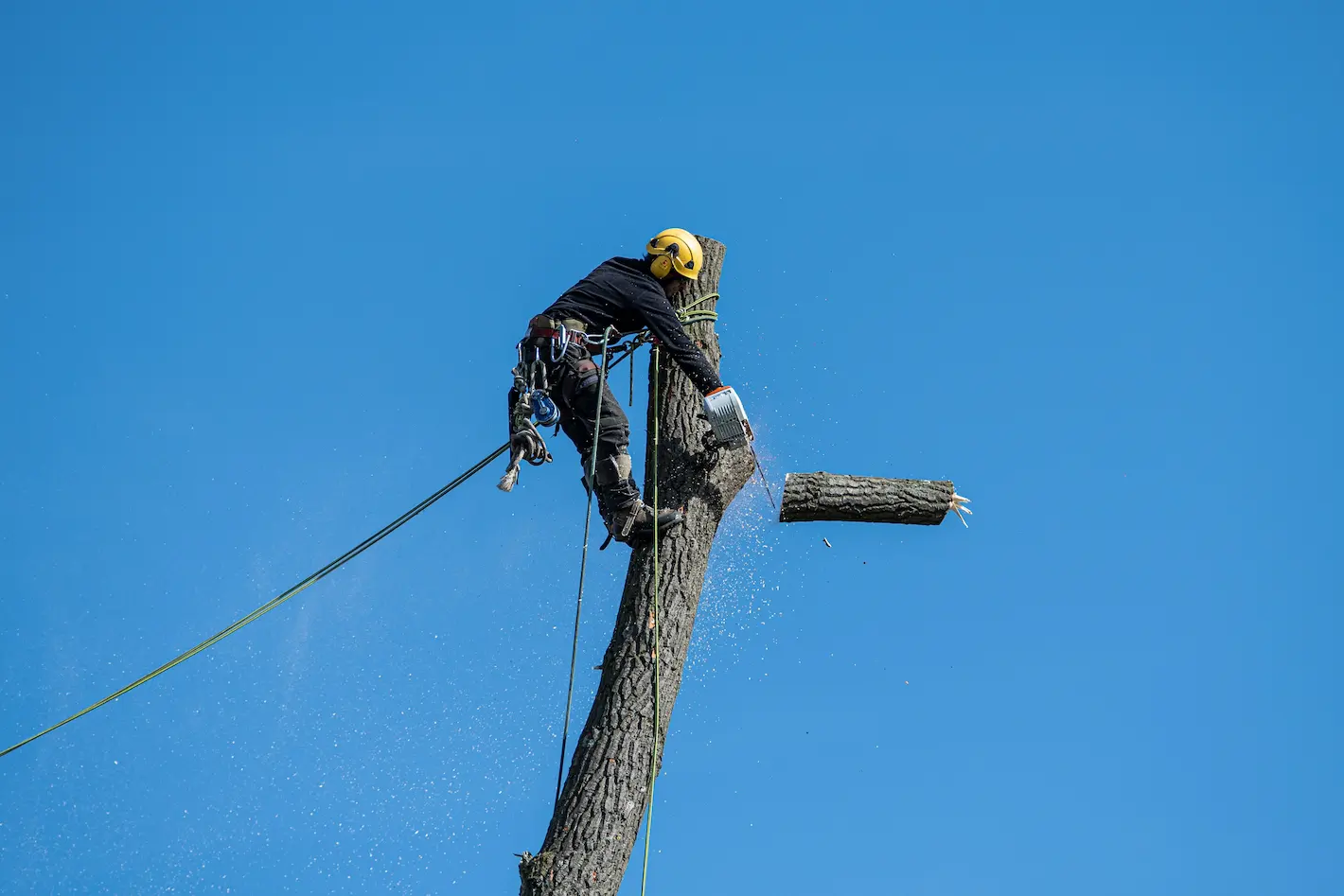
How Much Does Tree Removal Cost in Spartanburg, SC?
Tree removal prices depend on the size and diameter of the tree, its condition, access to the work area, and what is close enough to affect the removal. Use the range below as a planning number, then request an estimate for the actual tree on your property.
Typical Tree Removal Cost in Spartanburg, SC
If you are trying to budget before requesting an estimate, tree size is a useful place to start. I use these ranges as planning numbers, not as automatic quotes. A tree in an open yard can fall near the lower end of a range, while the same size tree beside a house, fence, driveway, or tight access point can cost considerably more.
Small Tree Removal Cost
For a smaller tree with straightforward access and enough room to work, removal is usually simpler. I am still looking at trunk diameter, where the tree can be brought down, and how easily the wood and brush can be moved out of the property.
Medium Tree Removal Cost
As the tree gets taller and the trunk gets heavier, the amount of wood we have to control, cut, move, and clean up increases quickly. This is also where proximity to fences, driveways, sheds, and nearby landscaping starts to affect the removal more.
Large Tree Removal Cost
With a large tree, I am looking at much more than height. Heavy trunk sections, large limbs, limited drop space, and the distance between the tree and a house can completely change how the removal has to be handled.
Very Large or Complex Tree Removal Cost
This is where the site usually matters as much as the tree itself. A very large tree beside a house, behind a narrow gate, over a fence, or in a place with almost no usable drop zone may have to come apart in controlled sections instead of being removed in a straightforward way.
If you tell me you have a 60-foot tree, that gives me one piece of the puzzle. I still need to know the trunk size, condition, access, what is underneath it, and whether there is enough room to work. Those details are what turn a planning range into a useful estimate.
These prices are budgeting ranges, not fixed quotes. Stump grinding, unusual hauling requirements, emergency work, extensive cleanup, or unusually difficult site conditions may change the total price.
Photos and a short description can help us understand the situation before the property is evaluated.
What Affects the Cost of Tree Removal?
When I price a tree removal, I am not starting with height and stopping there. I am looking at how much tree has to be handled, how safely we can reach it, what is underneath it, and how much control is needed to get the tree down without damaging the property. Those details are what move a job toward the lower or higher end of a price range.
Tree Height and Trunk Diameter
A taller tree usually means more limbs, more trunk, and more material to bring down and move. But trunk diameter matters just as much. A thick hardwood trunk can create much heavier sections than a slender tree of similar height.
That is why I do not like pricing from height alone. I want to know both how tall the tree is and how much wood we are actually dealing with from the base through the main limbs.
Tree Condition and Structural Stability
A dead, split, decayed, storm-damaged, or partially uprooted tree can require a different approach from a sound standing tree. If I cannot rely on a trunk or major limb to behave normally under load, I have fewer options for how the tree can be taken apart.
What I care about is whether the wood and root system are stable enough to support the removal method we would normally use. If they are not, the job usually requires more control and more caution.
Access to the Tree and Work Area
A tree in an open front yard is very different from the same tree behind a house with a narrow gate. I look at how close we can get to the tree, how much room there is around the trunk, and how the wood and brush will have to leave the property.
Tight gates, steep slopes, soft ground, fences, narrow side yards, and long carry distances can all add time because they limit how the work area can be used.
Houses, Fences, Driveways, and Other Nearby Property
The amount of open space around a tree has a major effect on the removal. If the tree is well away from structures, there may be more room to bring sections down directly. If it is beside a house, over a fence, above a driveway, or surrounded by landscaping, I have to control where each section goes.
The tree has not changed size, but the margin for error has changed. That is one of the main reasons two similar trees can carry very different removal prices.
Sectional Removal and How Much Control Is Needed
Some trees can be removed much more directly than others. When there is not enough space to bring a tree or large section down freely, the removal may have to happen piece by piece.
I look at how much weight has to be controlled at each stage and whether large sections need to be reduced before they reach the ground. The more controlled the dismantling has to be, the more time and handling the job usually requires.
Wood, Brush, Hauling, and Cleanup Scope
I also want to know what you expect to happen after the tree is down. Cutting the tree is only one part of the work if the trunk, large limbs, brush, and smaller debris all need to be removed from the property.
A clear cleanup scope makes the estimate more useful. If you want wood left on site, brush removed, or everything hauled away, that should be understood before the final price is compared.
Open access to the tree
Good drop space
No structures directly underneath
Stable standing tree
Simple cleanup scope
Easy wood and brush removal
A large tree with open access can sometimes be more straightforward than a smaller tree squeezed between a house, fence, and driveway. That is why seeing the site matters before a final number is given.
A few photos of the trunk, full tree, access, and nearby structures can explain much more than height alone.
Tree Removal Cost Examples
The easiest way to understand tree removal pricing is to look at the whole situation. These are planning examples based on tree size, access, nearby structures, and how much control the removal is likely to require. They are not fixed quotes.
Small Tree With Good Access and Open Drop Space
If I am looking at a smaller tree in an open part of the property, with room to work around it and nothing important directly underneath, that is usually one of the more straightforward removals.
The tree still has to be cut, processed, and cleaned up, but good access and usable space keep the job from becoming more complicated than the tree itself.
Open access
Clear drop space
No nearby structure
Usually closer to the lower end when access and cleanup are simple.
Medium Tree With Limited Room Around the Base
A medium tree can move up in price quickly when I no longer have a completely open work area. A fence, driveway, shed, landscaping, or narrow side yard can change how sections are brought down and how the material leaves the property.
In this situation, I am still dealing with a moderate-size tree, but the property is making the removal less direct.
Moderate tree size
Reduced drop space
Nearby property to protect
Access and what surrounds the tree can matter as much as height.
Large Mature Tree Beside a Home or Other Structure
This is where I stop thinking about the tree only as height and start thinking about control. A large trunk and heavy limbs beside a house leave less room for large sections to come down freely.
If the canopy reaches over the roof, driveway, fence, or another part of the property, the order of the removal becomes much more important. That additional control is what can move a large-tree price toward the higher end.
Heavy wood
Structure nearby
Controlled sections
Larger wood and tighter working margins usually push the price higher.
Very Large Tree With Restricted Access and Little Drop Space
A very large tree behind a house, inside a fenced yard, or surrounded by structures can become a completely different job from the same tree standing in an open field.
I am looking at where the large sections can go, how the wood will leave the property, and whether the tree has to be dismantled in smaller pieces because there is no room to handle it more directly.
Large diameter
Restricted access
Little usable drop space
Complex removals can exceed normal size-based planning ranges.
I can sometimes remove a large tree in an open area more efficiently than a smaller tree squeezed between a house, fence, and driveway. The size of the tree sets part of the price. The removal situation determines the rest.
These examples are for budgeting only. The actual price depends on the individual tree, property access, condition, cleanup scope, and removal method. They should not be treated as guaranteed quotes.
Tree size helps, but photos of the tree, access, and nearby structures give a much better picture of what the removal may involve.
Is Stump Grinding Included in Tree Removal Cost?
I never assume stump grinding is part of a tree removal price unless it is specifically included in the estimate. Removing the tree and dealing with the stump are two different parts of the job, and the price should make that clear before the work starts.
What Happens When the Tree Is Removed?
The tree is taken down and the trunk is cut near ground level as the site allows. At that point, the standing tree is gone, but the stump and root flare can still remain in the ground.
What Changes When You Want the Stump Ground?
Grinding adds another scope of work. I want to know the stump diameter, how much of the root flare is exposed, whether the machine can reach it, and what you plan to do with the area afterward.
That is the question I want answered before comparing two tree removal prices. One estimate may cover the tree only, while another may include additional stump work. If the scopes are different, the totals are not an apples-to-apples comparison.
What Can Change the Stump Grinding Price?
A wider stump means more wood has to be ground.
Large surface roots can increase the area that needs work.
Gates, fences, slopes, and tight yards can affect machine access.
What happens next can affect how much stump work is appropriate.
Our stump grinding page explains the service, access considerations, and what happens after the stump is ground.
That gives you a much clearer estimate and makes it easier to understand exactly what the price covers.
Does Emergency Tree Removal Cost More?
It can, but I would not assume every urgent tree automatically costs more. What usually raises the price is the condition the tree is in when we have to remove it. A tree that has split, fallen onto a structure, uprooted, or become unstable after a storm can require much more control than the same tree would have needed before it failed.
I look at what actually happened to the tree. If it is already down in an open part of the yard with good access, the removal may still be fairly straightforward.
If that same tree is split over a roof, hanging in another tree, leaning after root failure, or blocking an important access point, the removal becomes a different job. That is where emergency tree removal can move above normal planning ranges.
Planned Tree Removal
With a standing tree that has not failed, I can usually evaluate the structure, access, drop space, and removal sequence before anything has moved unexpectedly.
- Tree is still in its original position
- Weight distribution is easier to evaluate
- Work area can be planned before removal
- More removal options may be available
Emergency Tree Removal
Once a tree has failed, I have to work with where the trunk, limbs, roots, and weight ended up. The safest removal sequence may be much more restrictive than it would have been before the failure.
- Split or unstable wood
- Tree resting on a house or other structure
- Root plate movement or sudden lean
- Suspended sections or restricted access
What Can Make an Emergency Removal More Expensive?
The extra cost usually comes from making a difficult tree controllable, not simply from calling the job an emergency.
A trunk or large limb on a roof, garage, fence, deck, or vehicle gives us less room for movement during removal.
Broken sections can still be carrying weight even when part of the tree has already failed.
A lifted root plate or sudden lean can change how stable the entire tree is while sections are removed.
Storm debris, structures, fences, slopes, and the position of the fallen tree can limit the available work area.
A large tree already lying flat in an open yard can sometimes be more straightforward than a smaller tree split over a house. Once a tree fails, the way its weight is supported can matter more than its original height.
Our emergency tree removal page explains what to look for, what to do first, and how storm-damaged or hazardous tree situations are handled.
Whether the tree is still standing, leaning, split, or already on the ground helps explain what kind of removal we are pricing.
What Is Usually Included in a Tree Removal Estimate?
When I look at a tree removal estimate, I do not want the customer comparing one big number against another without knowing what each number covers. A useful estimate should make the removal scope clear: what happens to the tree, what happens to the wood and brush, and what work is separate.
Removing the Tree
The estimate should make it clear which tree is being removed and what the removal involves. On a simple tree, that may be fairly straightforward. On a tree near a house or with limited drop space, the removal may have to happen in controlled sections.
Cutting the Trunk and Large Wood
Once the tree is down, there can still be a large amount of trunk and heavy wood on the property. I want the estimate to explain whether that material is being cut into manageable sections, left on site, or removed.
Limbs, Brush, and Tree Debris
A tree removal can produce a lot of branches and smaller material. The cleanup scope matters because cutting the tree down and removing every piece of debris are not necessarily the same amount of work.
Hauling and Final Cleanup
If wood, limbs, and debris are being hauled away, I want that scope understood before the customer compares prices. A lower number can look better until you realize another estimate included substantially more cleanup.
Stump Grinding or Other Separate Work
I would check the estimate instead of assuming the stump is included. If stump grinding or another separate service is part of the price, it should be identified clearly enough that you know what you are paying for.
Make Sure You Are Comparing the Same Scope of Work
- Tree removal
- Wood left on property
- Limited cleanup scope
- Stump not included
- Tree removal
- Wood handled differently
- More cleanup included
- Additional scope listed
These are examples of scope differences, not claims about what any particular estimate will include. The point is simple: compare the work being quoted before comparing the totals.
If one estimate is cheaper, I want to know why. Sometimes the tree is easier to remove. Sometimes the scope is simply different. Those are two very different reasons for a lower price.
Our tree removal page explains when removal makes sense and what changes the way a tree has to be taken down.
Tell us what tree you need removed, where it is on the property, and what you want done with the wood, debris, and stump.
Why Can Two Similar-Sized Trees Cost Different Amounts?
I can look at two trees that are roughly the same height and still see two completely different removal jobs. Tree size tells me how much wood is there. It does not tell me how much room I have, what is underneath the tree, how stable it is, or how the material has to leave the property.
Large Tree in an Open Yard
If this tree has good access, open space around it, no structure underneath the canopy, and room to process the wood, I have more options for how the removal can be handled.
- Open work area
- Good equipment access
- Usable drop space
- No house directly underneath
- Easier wood removal
Large Tree Between a House and Fence
The height may be almost identical, but now I have less room to work. If limbs are over the roof, access is tight, or sections cannot come down freely, the tree may need to be dismantled much more carefully.
- Tight work area
- Restricted access
- House or fence nearby
- Limited drop space
- More controlled dismantling
I Am Pricing the Work Required to Control the Tree
Open space can make a removal much more direct. Structures and landscaping can remove that option.
If there is room, larger sections may be manageable. Tight areas can require the tree to come apart in smaller pieces.
A clear front yard is different from carrying heavy wood through a narrow side yard or around buildings.
Roofs, fences, driveways, sheds, and nearby landscaping reduce the margin for movement during removal.
If somebody tells me two trees are both 60 feet tall, I still do not know whether they should cost the same. I need to know where they stand, what is around them, how stable they are, and how much control the removal requires.
Show us the full tree, the trunk, access to the work area, and what sits underneath or beside it.
How Can I Get a More Accurate Tree Removal Price?
The more I can see about the tree and the property around it, the more useful the pricing conversation becomes. Tree height helps, but I also want to see the trunk, access, nearby structures, and the space where the removal has to happen.
Show Me the Tree and the Space Around It
A close-up of the trunk alone is not enough. I want enough context to understand what we would actually be working around if the tree is removed.
Stand far enough back to show the entire tree from the ground to the canopy. This gives me a better sense of overall size, lean, branch spread, and what is nearby.
A photo near the base helps show trunk diameter, multiple stems, visible damage, root movement, and how much working room there is around the tree.
Show the driveway, gate, side yard, slope, or other route leading to the tree. I want to know whether the work area is open or tucked behind the house.
Include the house, fence, driveway, shed, landscaping, or other property close to the tree. Those details can change the removal method significantly.
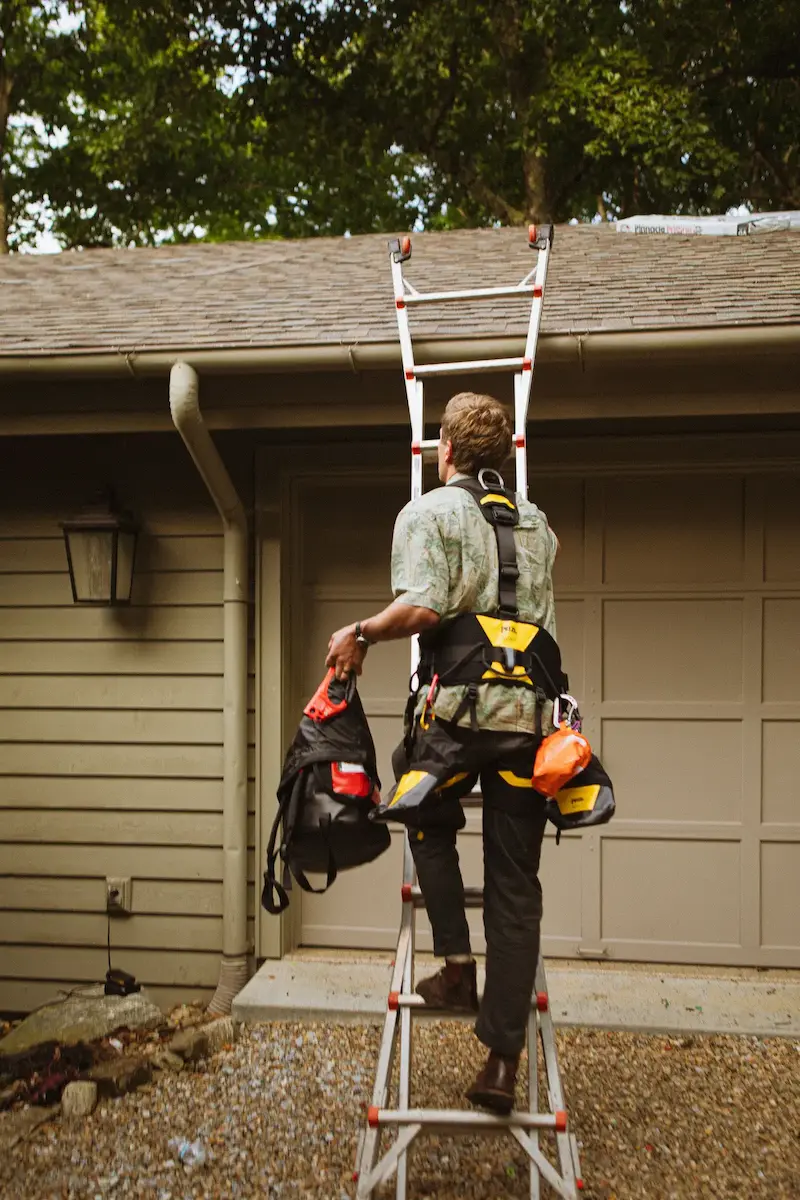
What Information Helps Me Understand the Job?
You do not need an exact measurement. Small, medium, large, or an approximate height is enough to start.
Tell me whether the tree is dead, damaged, leaning, unwanted, too close to something, or being removed for another reason.
Mention narrow gates, fenced backyards, slopes, soft ground, or anything else that could affect access.
Let me know whether you are asking about the tree only, debris removal, hauling, or stump grinding as well.
I would rather see good photos and hear what you are noticing than have you guess at the technical problem. Tell me what changed, what concerns you, and what is around the tree. That gives me a much better starting point.
Why Might the Final Price Still Require Seeing the Tree?
Photos can explain a lot, but they do not always show trunk condition, slope, overhead clearance, hidden access problems, or how the tree is loaded. When those details can change the removal plan, seeing the actual site is what turns a rough range into a reliable scope of work.
For independent consumer information about professional tree care and tree removal, see the ISA’s TreesAreGood homeowner resource.
A short description and a few useful photos give us a much better starting point for your tree removal estimate in Spartanburg.
Tree Removal Cost Questions
These are some of the pricing questions I hear most often. The answer usually comes back to the same thing: tree size matters, but the removal conditions around that tree matter just as much.
What is the average cost to remove a tree in Spartanburg, SC?
For planning purposes, many removals can fall somewhere between about $250 and $2,500+, while very large or complex trees can exceed that range. I would not rely too heavily on one average number because a small difficult tree and a large open-yard tree can require very different amounts of work.
Does removing a tree near a house cost more?
It can. What changes the price is usually the amount of control needed around the structure. If large limbs or trunk sections cannot come down freely because a roof, fence, driveway, or other property is underneath them, the tree may have to be dismantled in smaller controlled sections.
Can removing several trees cost less per tree?
Sometimes there can be efficiencies when several trees are on the same property and share the same access and work area, but I would not assume every additional tree gets cheaper. Each tree still has its own size, condition, surroundings, and removal difficulty.
Can I get an exact tree removal price from photos?
Good photos can make the first pricing conversation much more useful, especially when they show the full tree, trunk, access, and nearby structures. But photos do not always show everything that can affect the removal plan, so the final scope may still require seeing the tree and property directly.
Can keeping the wood or reducing cleanup change the price?
Cleanup is part of the scope I want clearly defined before a price is compared. Leaving some wood on the property or changing what has to be hauled away can change the amount of work involved, but the actual effect on price depends on the individual job and should be reflected in the estimate.
Tell us where the tree is, what is around it, and what you want done with the wood, debris, and stump.
Get a Tree Removal Estimate in Spartanburg, SC
If you want to know what your tree will actually cost to remove, show me the tree and the property around it. I want to see the size, access, nearby structures, and what you want done with the wood, debris, and stump before putting a useful price on the job.
All price ranges on this page are planning estimates, not guaranteed quotes. The final cost depends on the individual tree, property, removal conditions, and agreed scope of work.